


Brain Bank
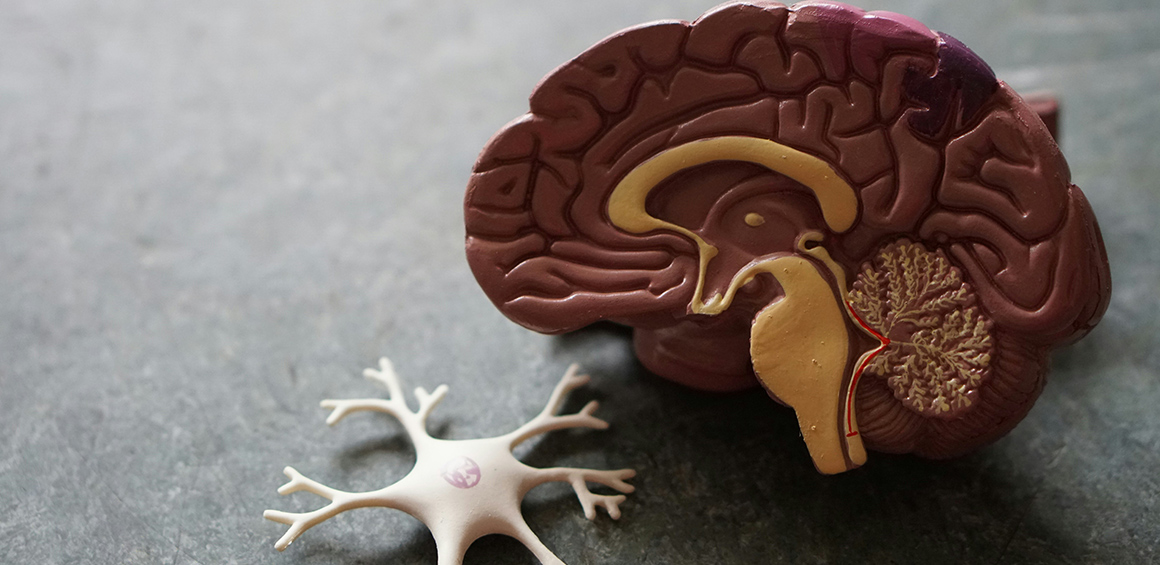
Garrison Institute on Aging, Brain Bank
Today’s research leads to tomorrow’s breakthroughs. The Garrison Institute on Aging (GIA) is advancing innovative research to better understand the causes of brain diseases and develop more effective treatments—especially for Alzheimer’s disease. Progress in Alzheimer’s and other neurological disorders depends on the study of human brain tissue, generously donated after death. Established in 2007, the GIA Brain Bank provides this essential resource to scientists working to improve diagnosis, treatment, and ultimately prevention. Donations from individuals both with and without dementia are critical to expanding knowledge and accelerating discovery.
Beyond supporting research, the Brain Bank also offers families valuable diagnostic insight. While physicians can diagnose Alzheimer’s disease with a high degree of clinical accuracy, brain autopsy remains the only definitive method of confirmation. Autopsy findings can clarify the type, severity, and complexity of dementia, often providing families with answers, closure, and a deeper understanding of their loved one’s journey.
Enrollment Process
Advance planning is essential to ensure a smooth and respectful donation process. Individuals or families interested in participating are encouraged to make arrangements ahead of time. To receive an enrollment packet and guidance through the necessary forms, please contact Ruben Gonzales at 806.743.2408. A GIA team member will walk you through each step and answer any questions along the way.
For additional details, please see our Frequently Asked Questions section.
Frequently Asked Questions
No. The procedure does not leave any noticeable marks. An open casket funeral service is possible.
Brain Bank autopsy procedure must be performed within the first 8 hours after death. With preplanning and careful coordination, there should be no delays for the funeral service.
You do not have to tell anyone if you do not wish to do so. Only upon close inspection would anyone know an autopsy has been performed.
The person’s legal next of kin must authorize the autopsy before the procedure can be performed.
The brain removal itself takes approximately 30 minutes. Round-trip transportation of the deceased from the necessary locations can take more time.
The report will be sent to whom the legal next of kin identifies on our form.
A report usually is available six to nine months after the date of death and will list the findings and provide a brief discussion of the neuropathologic diagnosis. GIA staff will be available to answer and discuss the findings within the report.
Keep the report in a safe place for future reference, as this is now part of your family’s medical history.
No. The GIA Brain Bank covers all expenses related to the autopsy.
The tissue samples collected will be used and shared with scientists involved in research that may lead to improved understanding of aging and advances in the diagnosis and treatment of neurodegenerative disorders.
No. Brain donations are needed from individuals who have no dementia as well. Just as it is important to study the diseased tissue, .it is equally important to study tissue that is non-demented Studying and comparing the two tissues may assist in determining which changes within the brain are related to the disease and which are due to normal aging.
Got Questions?
We're here to help. Contact us if you have questions.
Ruben Gonzales
Phone: 806.743.2408
Address: 3601 4th Street, Room 4A 124, Lubbock, TX 79430